
What Gardeners Need to Know About PVC Pipe Fittings
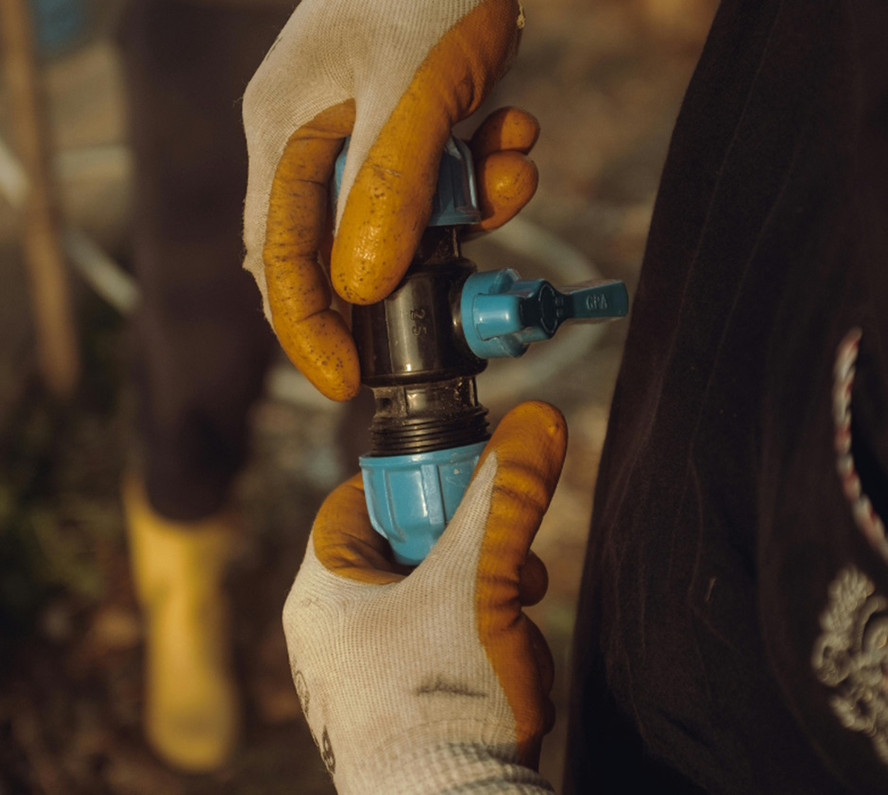
A reliable irrigation system begins beneath the surface. While sprinklers and irrigation controllers often take the spotlight, it is the network of PVC pipe fittings that holds everything together and ensures consistent performance.
At Irrigation Online, we supply a wide range of PVC pipe parts designed for domestic gardens, sports grounds, commercial horticultural systems and equestrian arenas. Choosing the correct fittings and ensuring they are installed properly makes a significant difference to the longevity of your system, helping to prevent ongoing repairs and unnecessary maintenance.
In this article, we explain when and why gardeners need to understand PVC pipe fittings, how to ensure compatibility, and the common mistakes to avoid.
What Are PVC Pipe Fittings?
PVC pipe fittings are specialised connectors used to join pipes within plumbing and irrigation systems. They are durable, corrosion-resistant and widely used in both pressurised water supply systems and non-pressure drainage applications.
They allow you to:
- Join pipe sections together
- Change direction
- Adapt between different pipe sizes
- Isolate sections of your system
- Connect threaded components
At Irrigation Online, we stock a comprehensive range of pressure-rated PVC pipe parts suitable for underground irrigation networks, ensuring durability and long-term performance.
When Should PVC Pipe Fittings Be Used?
PVC pipe fittings are typically used in permanent, pressurised irrigation systems where strength and reliability are essential.
Connecting Mains Water to Your System
When bringing a mains supply into your irrigation layout, you will need threaded adaptors, reducers and connectors to transition from the incoming supply to your distribution pipework. Using the correct pressure-rated fittings ensures your system can handle consistent water pressure without leaks.
Building a Water Sprinkler System
PVC elbows, tees and couplers allow you to run pipes around garden beds, create branch lines to feed multiple sprinklers and ensure even distribution of water. When installed correctly, these fittings provide watertight seals and maintain consistent pressure across all sprinklers.
Adapting Between Pipe Sizes
Not all irrigation systems use a single pipe diameter. For example:
- Larger pipe may be used on the main line
- Smaller pipe may feed individual sprinkler zones
Reducers and stepped fittings allow smooth transitions between pipe sizes without restricting flow.
Integrating Irrigation Controllers and Valves
Irrigation controllers manage watering schedules, but they rely on valves installed within the pipework. PVC threaded fittings connect solenoid valves, manifolds and other control components securely into your system.
Using compatible PVC pipe parts ensures easier servicing and future upgrades.
Types of PVC Pipe Fittings Available
On the Irrigation Online website, we supply a full range of PVC pipe fittings suitable for irrigation use. The most common fittings include:
Elbows
Used to change direction, typically at 90° or 45°. Essential when routing pipework around obstacles.
Tees
Allows you to split a single pipeline into two directions, ideal for feeding multiple sprinkler lines.
Couplers
Join two straight sections of pipe together.
Reducers
Connect pipes of different diameters while maintaining pressure efficiency.
Threaded Adaptors
Allow transition between solvent-welded pipe and threaded components such as valves, filters or pumps.
All fittings should be matched to the correct pipe material and pressure rating to ensure safe, long-term performance.
Installation Tips for PVC Pipe Fittings
Correct installation is essential, as even high-quality fittings can fail if fitted improperly. Follow these key steps to prevent future problems:
Use the Correct Solvent Cement
PVC pressure fittings are typically solvent-welded. Always:
- Cut the pipe square
- Deburr and clean the ends
- Apply primer where recommended
- Use the appropriate PVC solvent cement
- Insert the pipe fully into the fitting and hold briefly to prevent push-out
Allow Proper Curing Time
Avoid pressurising the system immediately after installation. Allow adequate curing time according to manufacturer guidelines, particularly in colder weather.
Avoid Over-Tightening Threaded Fittings
When working with threaded PVC pipe parts, use PTFE tape and tighten securely, but do not over-tighten. Excessive force can crack fittings.
Install on Stable Ground
Ensure pipework sits on firm, level bedding. Uneven support can cause stress fractures over time.
Ensuring Compatibility
Choosing compatible components is critical. Not all PVC fittings are pressure-rated, so it is essential to select fittings designed specifically for pressurised irrigation systems rather than waste or drainage applications.
PVC pipe fittings must also match the type and material of pipe being used. Mixing incompatible systems can result in leaks or blowouts. If you are unsure which fittings are suitable for your setup, our team can help identify the correct combination.
Maintenance and Longevity
PVC pipe fittings are generally low maintenance, but regular checks will help keep your irrigation system running efficiently. We recommend inspecting your system at least once a year for signs of leaks, pressure drops, cracked fittings or loose threaded joints.
In areas prone to frost, drain your system before winter, as expanding ice can crack PVC pipe parts and valves. If your mains supply delivers high pressure, installing a pressure regulator will help protect fittings, sprinklers and irrigation controllers, extending the overall lifespan of your system.
Common Pitfalls to Avoid
Even experienced gardeners can make simple mistakes when installing a water sprinkler system. Using incorrect fittings can lead to failures under pressure, while skipping key installation steps may result in slow leaks that are difficult to detect once buried.
Mixing incompatible materials such as PVC and MDPE without the correct adaptors can compromise the integrity of the entire system. Poor planning is another common issue, as an inefficient pipe layout may cause uneven pressure and inconsistent sprinkler coverage.
Taking the time to choose the correct fittings and plan your system carefully will help avoid costly repairs later on.
Why Choose Quality PVC Pipe Parts?
A well-built irrigation system should last for years with minimal intervention. Inferior fittings can:
- Crack under pressure
- Warp in hot weather
- Leak at joints
- Require repeated repairs
We supply durable, irrigation-grade PVC pipe fittings designed for long-term outdoor use. Whether you are installing a small domestic watering system or a larger landscape irrigation setup, using the right components from the outset protects your investment.
Building a Reliable Irrigation System
PVC pipe fittings may not be the most visible element of your setup, but they remain essential to the overall system. From connecting the mains supply to sprinklers, adapting pipe sizes, integrating valves and supporting irrigation controllers, every fitting plays a critical role.
Choosing compatible, pressure-rated PVC pipe parts and installing them correctly ensures your water sprinkler system operates efficiently season after season.
If you are planning a new installation or upgrading an existing system, explore our full range of PVC pipe fittings online. If you need guidance selecting the right parts, contact our team. We are always happy to help you design a system that works reliably for your specific needs.
Browse our PVC pipe fittings today and build your irrigation system with confidence.
Recent Posts
-
Why Blue Water Pipe Fittings Are Ideal for Safe Irrigation
When designing a reliable garden watering system, every component matters. From the pump and control …25th Mar 2026 -
What Gardeners Need to Know About PVC Pipe Fittings
A reliable irrigation system begins beneath the surface. While sprinklers and irrigation controllers …25th Mar 2026 -
Choosing the Right Irrigation Parts for Your System
At Irrigation Online, we speak to customers every day who are building new irrigation systems or upg …25th Feb 2026