
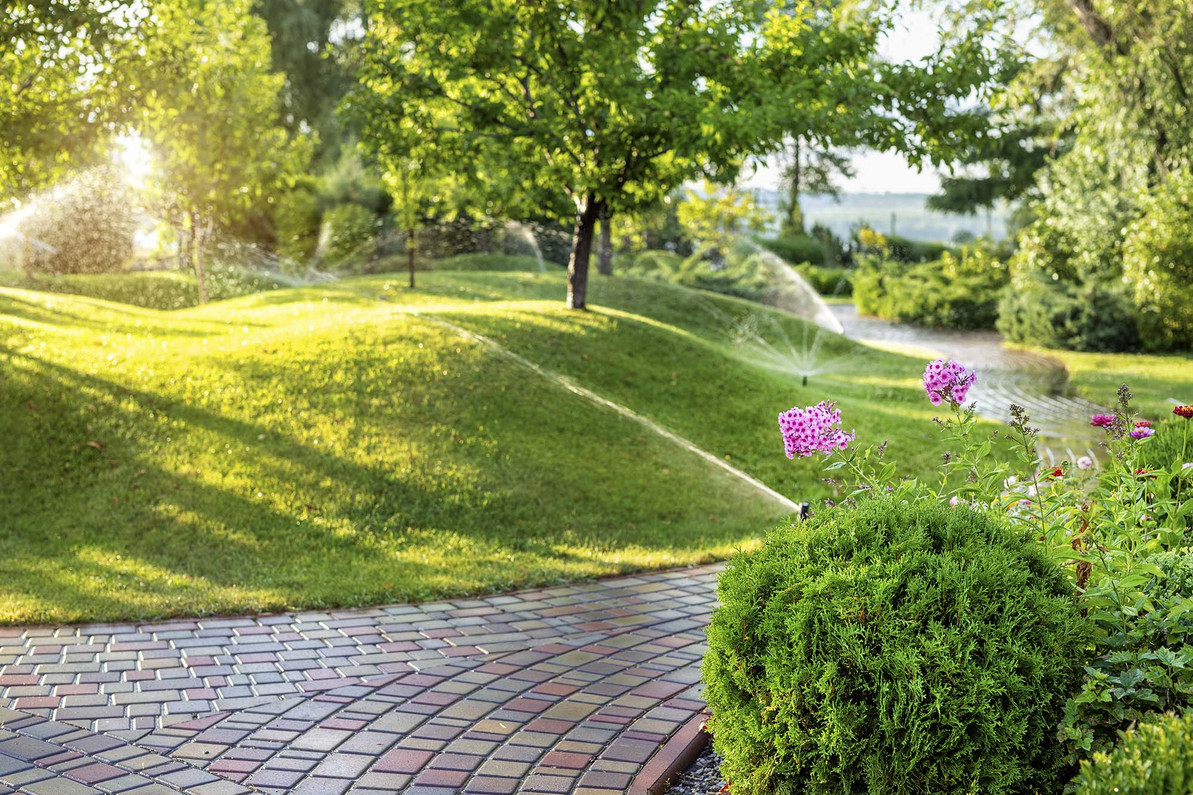
A Step-by-Step Guide to Automated Irrigation System Setup
Designing and installing an automated irrigation system is one of the most effective ways to maintain healthy landscapes while saving time, water and effort. Whether you are managing a domestic garden, sports ground or equestrian arena, a well-planned system ensures consistent watering and long-term reliability. With the right irrigation equipment and careful setup, you can create a tailored solution that meets the exact needs of your space.
Understanding Your Watering Requirements
Before installing any automatic watering systems, it is essential to understand the specific needs of your landscape. Different areas will require varying levels of water depending on soil type, plant species, sun exposure and drainage conditions. Lawns, flower beds and planted borders all have unique requirements, so dividing your space into zones is a practical first step.
Calculating water pressure and flow rate is equally important. Without adequate supply, even the most advanced automated irrigation system will struggle to perform efficiently. Checking your outdoor tap or mains connection will help determine how many sprinklers or drip lines can operate at once without reducing performance.
Planning the System Layout
Once you understand your requirements, the next stage is to design the layout. A clear plan ensures water is distributed evenly and avoids both underwatering and unnecessary waste. Positioning each sprinkler correctly is key to achieving full coverage, particularly in lawns and open areas.
For planted borders, drip irrigation can be a more efficient option, delivering water directly to the root zone. Mapping out pipe runs and identifying where valves, connectors and irrigation pipe accessories will be needed helps prevent complications during installation.
It is also important to consider accessibility. Valves and control points should be easy to reach for maintenance, while pipework should be installed securely to prevent damage over time.
Choosing the Right Irrigation Equipment
Selecting quality irrigation equipment is essential for both performance and durability. The system will typically consist of a combination of sprinklers, pipes, fittings, valves and a controller. Each component plays a critical role in ensuring the system runs smoothly.
Sprinklers should be chosen based on the area you are covering. Pop-up models are ideal for lawns as they remain hidden when not in use, while impact or rotor sprinklers are suited to larger spaces such as sports grounds. For smaller or more delicate planting areas, drip lines and micro irrigation solutions offer precise water delivery.
Pipes and fittings form the backbone of the system. Using durable materials such as MDPE or PVC ensures longevity and resistance to pressure changes. Reliable irrigation pipe accessories, including connectors and adaptors, help maintain a leak-free system and simplify installation.
At Irrigation Online, a wide range of high-quality components is available, making it easier to source everything needed for a complete and dependable setup.
Installing the System
With the design and materials in place, installation can begin. Trenching is usually required to lay pipes below ground level, protecting them from damage and maintaining a clean finish. Pipes should be laid carefully and connected securely using appropriate fittings to prevent leaks.
Sprinklers need to be positioned according to the planned layout, ensuring overlapping coverage for even watering. It is important to check alignment and spacing before backfilling trenches, as adjustments are much easier at this stage.
Valves should be installed in accessible boxes, allowing for easy control and maintenance. These valves regulate water flow to each zone and are often connected to an automatic controller, which acts as the system’s central control unit.
Setting Up the Controller
The controller is what transforms a standard irrigation setup into a fully automated irrigation system. By programming watering schedules, you can ensure plants receive the right amount of water at the optimal time of day.
Modern controllers allow for flexible scheduling, including seasonal adjustments and multiple watering cycles. Early morning or late evening watering is generally recommended, as it reduces evaporation and improves efficiency.
Some advanced systems also integrate sensors, such as rain or soil moisture detectors, which help prevent unnecessary watering and conserve water.
Testing and Adjustments
After installation, thorough testing is essential. Running the system allows you to identify leaks, check pressure levels and ensure each sprinkler is functioning correctly. Adjustments may be needed to improve coverage or correct alignment.
Testing also helps confirm that each zone is receiving the appropriate amount of water. Fine-tuning at this stage ensures the system operates efficiently and avoids long-term issues.
Maintenance and Long-Term Reliability
To keep your automatic watering systems performing at their best, regular maintenance is essential. Over time, components can become blocked, worn or misaligned, which can reduce efficiency.
Cleaning sprinkler heads, checking for leaks and inspecting pipe connections should be part of a routine maintenance schedule. Seasonal adjustments are also important, particularly in the UK climate, where watering needs vary throughout the year.
During colder months, protecting the system from frost damage is crucial. Draining pipes and isolating the water supply can help prevent costly repairs.
Water-Saving Strategies
An automated irrigation system not only saves time but can also significantly reduce water usage when designed correctly. Zoning allows you to target specific areas, ensuring water is not wasted on surfaces that do not require it.
Using drip irrigation in planting beds, installing efficient sprinklers and incorporating smart controllers all contribute to better water management. Monitoring usage and making adjustments over time further enhances efficiency.
Rain sensors and weather-based controllers provide an additional layer of control, automatically adjusting schedules based on environmental conditions.
Building a Reliable System
A successful irrigation setup depends on careful planning, quality materials and proper installation. Investing in durable irrigation equipment and ensuring each component is suited to your specific needs will result in a system that performs consistently for years to come.
By sourcing components from a trusted supplier like Irrigation Online, you can be confident in both quality and compatibility. From sprinklers and controllers to pipes and irrigation pipe accessories, having access to a complete range of products simplifies the process and ensures professional results.
Bringing Your Irrigation System Together
Setting up an automated irrigation system may seem complex at first, but by following a structured approach, it becomes a manageable and highly rewarding project. From understanding your watering needs and planning the layout to selecting the right irrigation equipment and maintaining the system, each step plays a vital role in achieving success.
With the right design and reliable components, automatic watering systems provide a convenient, efficient and sustainable solution for keeping your landscape in peak condition. If you are ready to upgrade your watering setup, explore the full range of products available at Irrigation Online or contact us today and take the first step towards a smarter, more efficient irrigation system.
Recent Posts
-

ECB County Grants Fund 2026: How Cricket Clubs Can Plan Ground and Facility Improvements
If your cricket club has been putting off ground improvements because of the cost, there's a funding …1st Sep 2026 -
A Step-by-Step Guide to Automated Irrigation System Setup
Designing and installing an automated irrigation system is one of the most effective ways to maintai …27th May 2026 -
The Importance of Equestrian Arena Watering Systems
Maintaining the perfect riding surface is essential for both horse welfare and rider performance. Wh …27th May 2026